


.jpg)
.jpg)
.jpg)
.jpg)
.jpg)

.jpg)
.jpg)

.jpg)


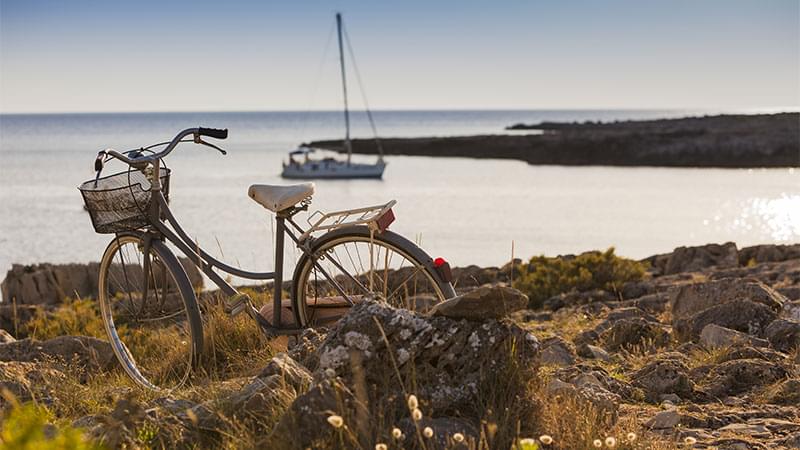

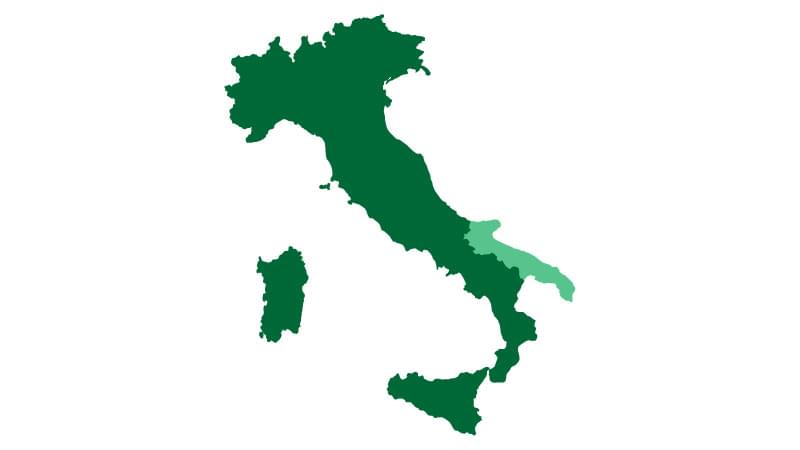








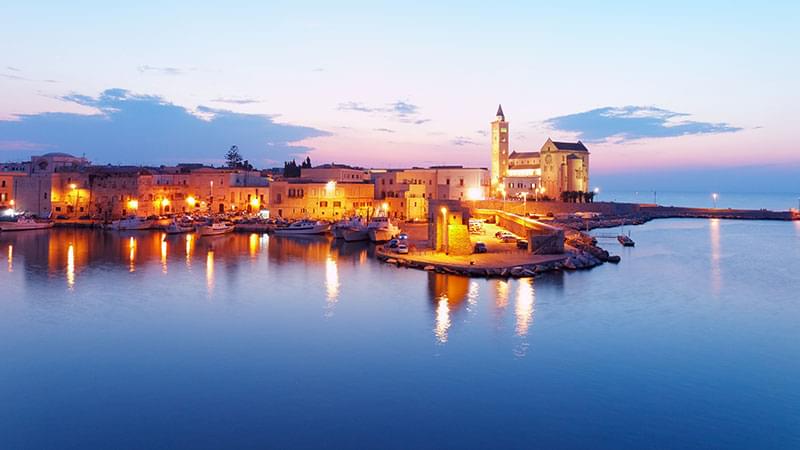




But the region was not always like this. Let us explore what influenced the modern-day Puglia to turn it into a place which welcomes millions of tourists per year.
Ancient history
Puglia would not be Puglia without its famous history. The region began sometime in the 1st millennium BC with the settling of Italic and Illyic peoples.
Greek culture is a huge influence in modern-day Puglia. Exiled Spartan soldiers from Greece settled along the coast in the 8th century BC. Here they formed coastal settlements and built the major city of Taranto. There is also Albanian influence, with the country being just 200 km from the port of Brindisi.
In addition to the many cultures, Puglia also has copious amounts of churches, archaeology sites and the famous Via Appia Roman road.
Geography
Puglia’s nature is unrivalled. The region’s coastline, mountains, national parks and climate contribute significantly to inhabitants’ ways of life and levels of tourism in the area.
Puglia is one of the hottest and driest regions, which attracts a high number of tourists. Coastal areas see a combination of the cold Northerly Bora wind and the muggy Southerly Sirocco wind, which allow for unique weather conditions.
The region’s two main parks are Alta Murgia and Gargano, famous throughout Italy adn Europe.
Economy
Nowadays, Taranto is the world's largest producer of farmed mussels. Apulia is Italian’s primary grape-growing region, with vineyards covering over 100 hectares.
There are also an estimated 50 to 60 million olive trees in Apulia, with the region accounting for 40% of Italy's olive oil production.
Multiculturalism
Previously, Puglia has been occupied by Muslim and Arab dynasties, as well as the Romans, the Greeks, the Turkish and clans from Germany, Spain and France.
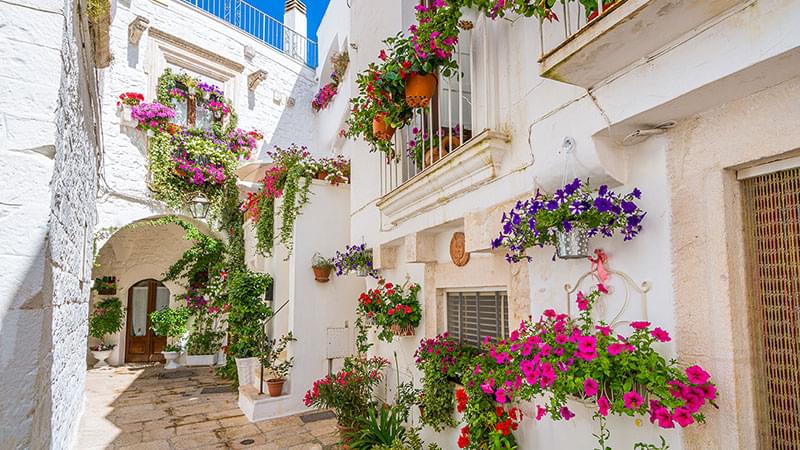
Puglia’s multicultural past is shown in its architecture and cuisine, best represented by Greeks and Arabas. Puglia’s distinctive whitewashed limestone walls, seen best in Otranto, Ostuni and Cisternino are directly influenced by the Greeks. Salento also has twelve towns currently inhabited by an ethnic Greek minority. This is called The Grecìa Salentina.
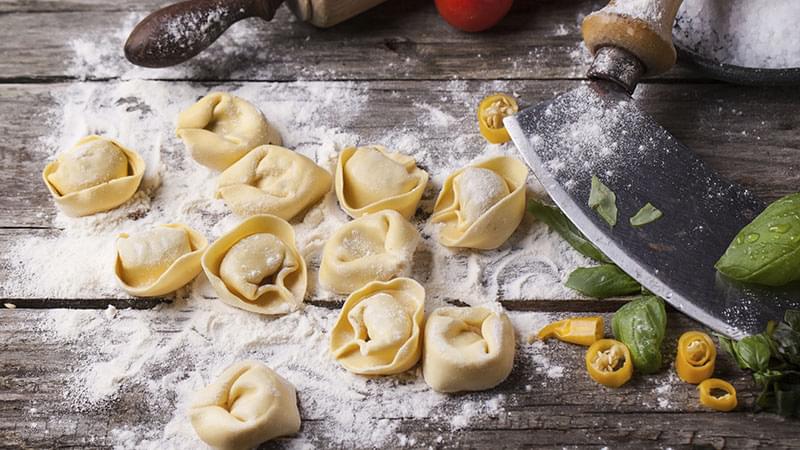
Also, intruigingly, 9th century Arabs provided durum wheat which led to the creation of pasta, as well as different ways of preparing food such as stuffed meats and vegetables. Sfoliatelle stuffed with sweets and fruit with sugar came from Arabs, who also introduced lemon trees to Europe. Often overlooked, the Arab legacy in Puglia is huge.
Benito Mussolini
Whilst many Italians have shaped the region into the place it is today, it is hard to look past the significant impact the former fascist dictator had.
His ‘Battle for Grain’ propaganda scheme attempted to free Italy from the “slavery of foreign bread”. Huge areas in Puglia were turned into wheat fields, olive groves and vineyards. The agricultural economy created by Mussolini is still a significant part of modern-day culture, especially as Italy relies on at least 100,000 foreign migrants during high season.