



.jpg)

.jpg)
.jpg)
.jpg)

.jpg)

.jpg)
.jpg)
.jpg)















Harvest the olives
Harvesting the olives is the first stage in the production of olive oil and this is usually done in the month of November. Mechanical vibration is the best way to harvest the olives as it ensures the fruit is not damaged during the process. This method uses a special olive collection machine with vibrators that are attached to the branches of the olive trees. Sheets of netting are placed over all of the land underneath the olive trees to catch the olives as they fall. For the whole year, other than harvest time, you can see the rolled up nets, usually green or orange in colour, stored neatly somewhere in the trunks of all the trees.
Separating the olives
This is a simple but important step to take. Separating the damaged olives from the good ones at this stage is a major step in ensuring that the best olive oil is produced. Following this, the olives are then picked through and graded, with only the best quality ones being used to make the olive oil. This procedure has to take place within 24 hours after harvesting the olives.
Grinding the olives
The olives are then washed, simply with clear, cold water, in order to remove dirt from the air and soil from the ground. The olives are then ground with a hammer crusher until a thick paste is formed. This paste is then gently shaken for at least one hour in order to separate the oil from the skin, pulp and stone.
Extracting the oil
In order to extract the oil an automated two-phase centrifugation system is used. The strong pressure mounted on the paste extracts the solid and liquid alpechin from the liquid oil. Once this is done, the remaining olive oil is left with very minor impurities.
Decanting the olive oil
This procedure removes the minor impurities (water, liquid and solid alpechin) left in the olive oil leaving high quality, pure olive oil.
Quality olive oil
In order to obtain the highest quality olive oil it is not bottled straight away as the oil needs to undergo filters. Even after decanting, it is possible that the oil still has impurities and this is why it needs to be filtered. The olive oil is stored in a tank for one or two days, leaving whatever impurities are left to settle down. After this is done the oil is carefully transferred to a main tank.
Bottling the oil
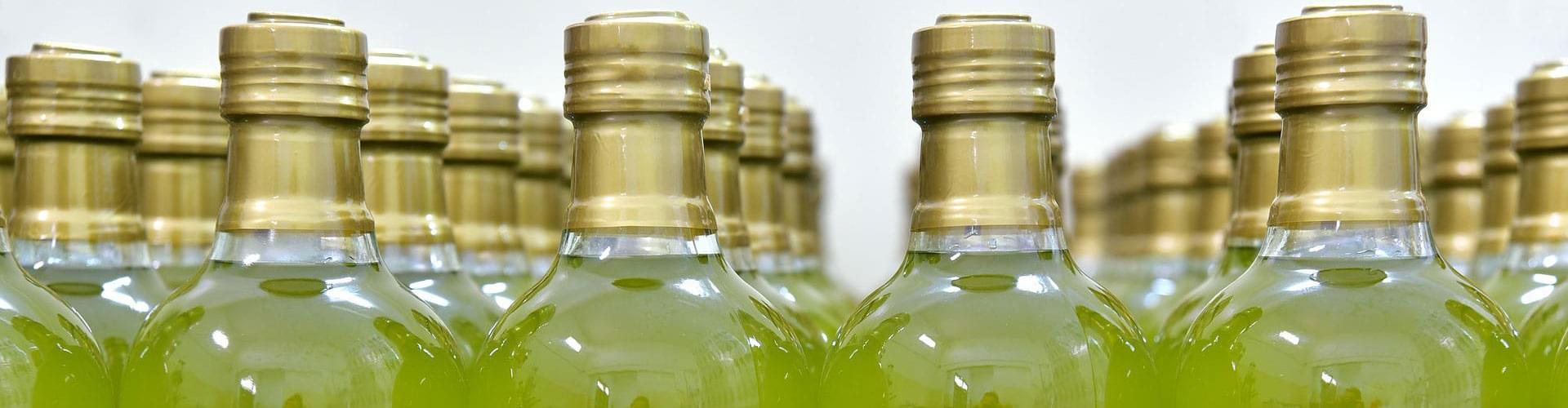
The bottling of the olive oil is the final stage. For resale it is generally bottled into one litre glass bottles or five litre cans.
The process of producing olive oil only happens once a year and it is a skilled job that has to be done very precisely in order to produce the highest quality olive oil.