


.jpg)


.jpg)
.jpg)
.jpg)
.jpg)
.jpg)
.jpg)
.jpg)











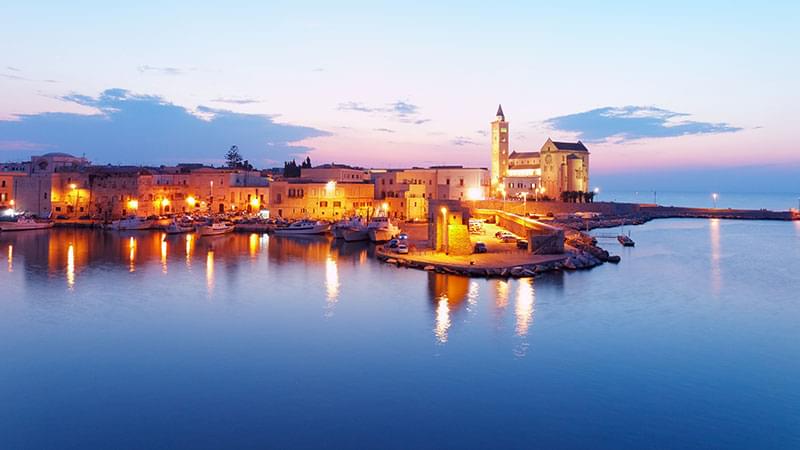




Italy's linguistic landscape is as varied as its geography. Italy's dialects have evolved from the Alpine peaks in the north to the sun-kissed shores of the south, influenced by various historical events, invasions, and cultural exchanges. While Standard Italian, based on the Tuscan dialect, is the official language, Italy is a mosaic of regional dialects with distinct flavours, accents, and vocabulary.
Northern Dialects: The Gallo-Italic Influence
Northern Italian dialects, including Lombard, Piedmontese, and Ligurian, are heavily influenced by the Gallo-Italic languages, which include French, Occitan, and Catalan. The northern dialects showcase a more significant Celtic influence due to their proximity to the Alpine region and contact with Celtic tribes.
Central Dialects: The Tuscan Roots of Standard Italian
Central Italian dialects, such as Tuscan, Romanesco, and Umbrian, have their roots in Latin, the language of ancient Rome. The Tuscan dialect, in particular, played a crucial role in the development of modern Standard Italian, thanks to famous writers like Dante Alighieri, Petrarch, and Boccaccio, who used the vernacular Tuscan in their literary works.
Southern Dialects: A Colourful Mixture of Cultures
Southern Italian dialects are a vibrant mix of Greek, Arabic, Norman, and Spanish influences. Neapolitan, Sicilian, and Calabrese are some of the most widely spoken dialects in the region, each with its own unique characteristics, vocabulary, and pronunciation.
Puglia: A Linguistic Treasure Trove
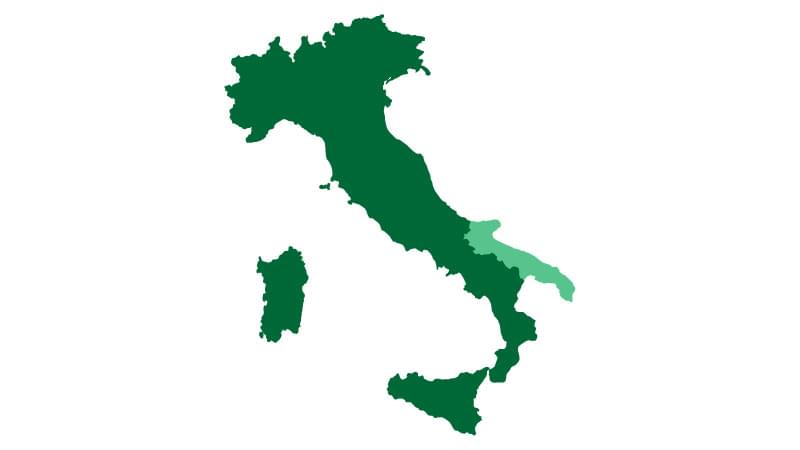
Located in the heel of Italy's boot, the Puglia region boasts a fascinating linguistic heritage that reflects its rich and varied history. The region is home to several dialects, which can be broadly divided into two categories: the Northern Apulian dialects and the Salentino dialects.
Northern Apulian Dialects: A Gateway to the Balkans
The Northern Apulian dialects, including Barese, Foggiano, and Dauno, are spoken in the northern part of Puglia. The Neapolitan language heavily influences these dialects, with some notable Balkan and Slavic influences due to the historical connections between Puglia and the Balkan Peninsula.
Salentino Dialects: A Bridge Between East and West
The Salentino dialects, spoken in the southern part of Puglia, are characterised by their unique blend of Greek, Latin, and Arabic influences. The Griko dialect, in particular, is a fascinating remnant of Puglia's ancient Magna Graecia past, where Greek colonies thrived along the coast. This dialect, spoken in a handful of towns in the Salento area, preserves a rich cultural and linguistic heritage that connects modern-day Puglia to its ancient origins.
Preserving the Linguistic Legacy
As globalisation and modernization sweep across Italy, regional dialects risk extinction. Efforts are being made to preserve and promote these linguistic treasures, including teaching dialects in schools, organising cultural events, and supporting research initiatives. The unique dialects of Italy, particularly those in Puglia, serve as a living testament to the country's rich history and a symbol of its diverse cultural heritage.